Hi, I’m Bo, the local voice behind Seoul With Me. Seongsu is the neighborhood I get asked about the most by friends visiting from abroad — usually with a phone screenshot of some cafe or pop-up they saw on Instagram, asking “is this still there?” So I went back over a few recent weekends to check what’s actually worth the trip right now versus what’s already changed.
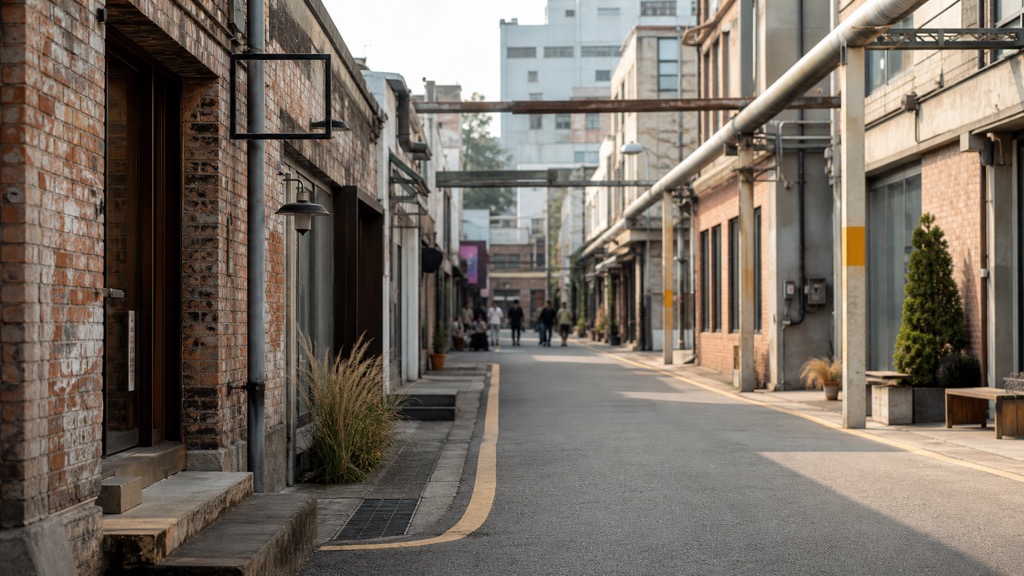
Seongsu (성수) used to be a shoe-factory district in eastern Seoul, and that industrial backbone is still the reason the neighborhood looks the way it does. Old factory buildings and warehouses have been converted — some carefully, some quickly — into cafes, brand pop-up spaces, and concept stores. It’s one of the fastest-changing parts of the city, which is exactly why a guide to Seongsu needs a shelf life warning built into it: what’s hot here in March might be a different brand’s pop-up by July.
What Seongsu Actually Is
Seongsu sits in Seongdong-gu, on the east side of the Han River, roughly 20–25 minutes by subway from central Gangnam or City Hall. Historically it was Seoul’s shoe-manufacturing hub — small factories and leather workshops packed into low-rise industrial blocks. Many of those workshops are still operating, which is part of what makes the neighborhood feel different from a purpose-built shopping district: you’ll walk past an actual working leather workshop on your way to a cafe that looks like a furniture showroom.
Since around 2018, the area has gone through a wave of adaptive reuse. Warehouses became cafes with 5-meter ceilings, parking-garage-style buildings became fashion flagship stores, and brand pop-ups started treating Seongsu as their default Seoul launch venue. The result is a district that’s part working factory zone, part design-forward retail playground — and the line between the two can be a single block.
I’d put Seongsu in the “see it while it’s like this” category. Rents have been climbing fast since 2023, and a few of the cafes that defined the early Seongsu wave have already closed or relocated. If a spot looks important to you, don’t assume it’ll be there in a year.
Getting to Seongsu
Seongsu Station (성수역) on Seoul Subway Line 2 (the green line) is the main entry point. Exit 3 puts you closest to the cafe-and-pop-up cluster around Seongsu-il-ro and the alleys behind it; Exit 4 is better if you’re heading toward the Daeseong/Yeonmujang area where some of the larger flagship pop-ups have opened.
From central Seoul, Line 2 makes Seongsu a straight shot — no transfers from Gangnam, Hongdae (via Hapjeong), or City Hall. From Myeongdong or the airport side of the city, the simplest route is Line 4 or AREX into central Seoul, then transfer to Line 2.
If you’re coming straight from your hotel and unsure which transit card to load up first, the Seoul transportation card guide walks through T-money versus the Climate Card and which one makes more sense for a multi-stop day like this.
Walking note: Seongsu is more spread out than Myeongdong or Hongdae. The cafe cluster, the pop-up zone near Seongsu-il-ro, and the Ddukseom Han River Park entrance are each a 10–15 minute walk apart. Comfortable shoes matter more here than in most central neighborhoods — which, given the area’s shoe-factory history, is a small irony I appreciate every time I’m there.
Cafes Worth Knowing About
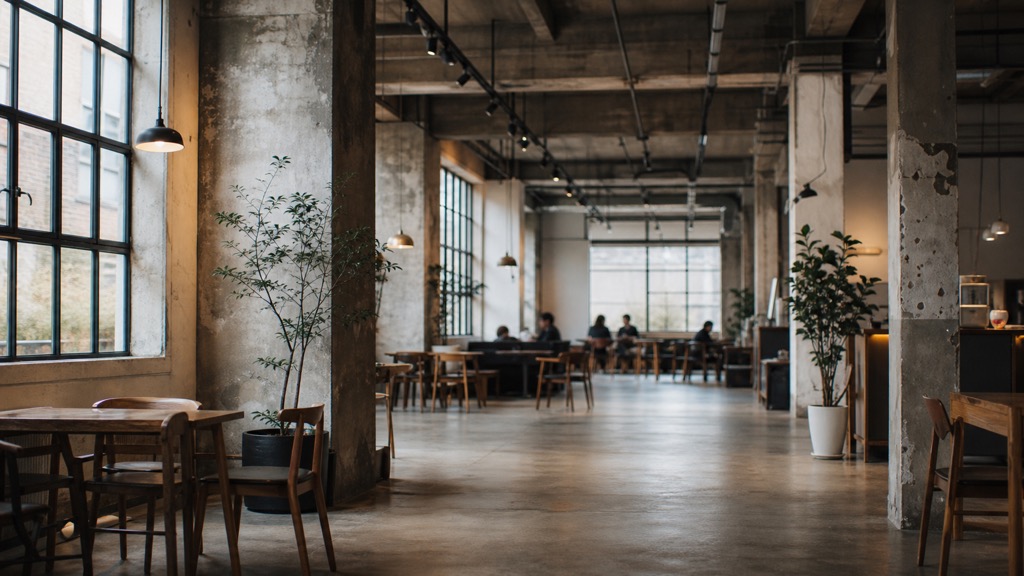
Seongsu’s cafe scene is built almost entirely around converted industrial space — high ceilings, exposed concrete, oversized windows, furniture that looks like it belongs in a design showroom rather than a coffee shop. A few categories show up again and again:
Warehouse-scale cafes. These are the ones that show up in every “Seoul cafe” roundup — multi-story converted factories with seating for 200+, often built around a central design feature (a courtyard, a spiral staircase, an art installation). They’re genuinely impressive spaces, but go in expecting a 20–30 minute wait on weekend afternoons and prices that run noticeably higher than a neighborhood coffee shop.
Bakery-cafes. Seongsu has a strong cluster of bakery-forward cafes — the kind where the pastry case is the main event and the coffee is secondary. These tend to sell out of their best items by early-to-mid afternoon, so if there’s a specific pastry you’re chasing, morning is the safer bet.
Concept cafes tied to brands. A newer pattern in Seongsu is cafes that double as brand showrooms — a furniture company, a stationery brand, or a lifestyle label running a cafe as an extension of their retail identity. These rotate more than standalone cafes do, so treat any specific recommendation as time-sensitive.
If you want actual dish-by-dish recommendations, current prices, and a breakdown of which Seongsu cafes are worth the wait versus which ones are mostly about the photo — that’s a separate, deeper topic than this neighborhood overview can responsibly cover. I’m planning a dedicated Seongsu cafes and food guide that goes block by block with prices and our actual orders, and I’ll link it here once it’s live, so this page stays the place to start before you dive into specifics.
A few practical notes that apply across the board: – Most Seongsu cafes are cash- and card-friendly, but smaller bakery counters sometimes run card-only or cash-only depending on the day — having both on hand avoids any awkwardness. – Seating at the design-forward cafes is plentiful but loud. If you want a quiet work-from-cafe afternoon, Seongsu is not the neighborhood for it; Yongsan or the smaller Seongsu side streets away from the main cluster are better for that. – Refills and to-go cups follow standard Seoul cafe etiquette — order at the counter, take a buzzer or number, and bus your own table when you’re done at the larger chains.
Pop-Up Stores: How Seongsu’s Rotation Works
This is the part of Seongsu that changes the fastest, and the part most worth understanding before you go rather than after.
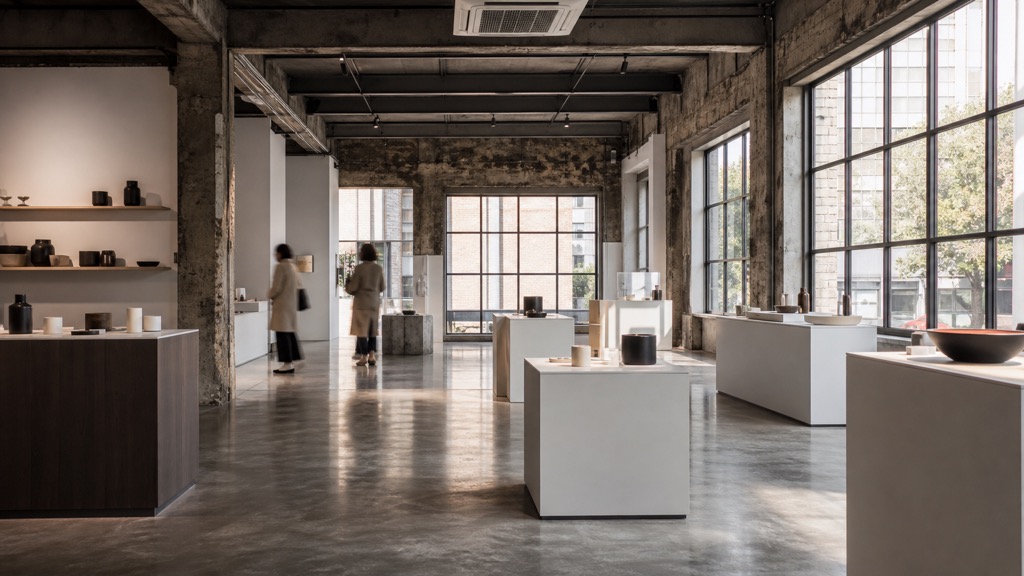
Seongsu has become the default Seoul launch venue for both Korean and international brands — fashion labels, beauty brands, F&B chains, even car manufacturers have run pop-ups here. The typical run is anywhere from a long weekend to about a month, and the spaces themselves (former factories, parking structures, warehouses) get reused by a completely different brand once one pop-up closes.
What this means practically: – Don’t plan a trip around a specific pop-up unless you’ve confirmed its dates within the past week or two. Brand social media accounts and the venue’s own Instagram are more reliable than general “Seoul pop-up” listicles, which often lag behind actual closures. – The same physical address might host a completely different brand than what you saw in a screenshot from a few months ago. If a location looks closed or repurposed, that’s not a sign you have the wrong address — it’s just how Seongsu works. – Some pop-ups require online reservation slots, especially beauty and fashion launches with limited daily capacity. Check the brand’s official page before showing up, particularly on weekends. – Lines for high-profile pop-ups can run 30–60+ minutes on weekend afternoons. Weekday mornings are dramatically calmer.
If you’re the kind of traveler who wants to “see what’s happening in Seongsu right now” rather than chase one specific store, that’s actually the more realistic way to approach it — wander Seongsu-il-ro and the side streets toward Daeseong-ro, and you’ll run into two or three pop-ups without trying.
Concept Shopping and Select Shops
Beyond the rotating pop-ups, Seongsu has a growing base of permanent concept stores and select shops — multi-brand spaces that curate furniture, fashion, design objects, and lifestyle goods rather than running a single-brand storefront.
A few patterns worth knowing: – Furniture and design showrooms are a Seongsu specialty, a natural fit for a neighborhood full of high-ceiling industrial space. Several function as much as galleries as stores — worth a walk-through even if you’re not buying. – Independent fashion and accessory boutiques cluster along the smaller streets behind the main pop-up zone, often run by designers who also use the space as a studio. – Stationery and lifestyle concept shops have multiplied here in the past two years, often Instagram-friendly by design, with the same caveat as the cafes: the popular ones can mean a wait, and the line between “store” and “photo spot” is sometimes thin.
If concept shopping in Seoul is generally your thing, the Olive Young Seoul shopping guide covers the K-beauty side of things, which is a different — and more transactional — kind of shopping than what Seongsu’s select shops are going for.
What’s Worth Skipping
I’d rather tell you this directly than let you find out after a wasted hour:
Don’t make a special trip for a single specific cafe or pop-up without checking it’s still open. This is the single most common way visitors end up frustrated in Seongsu. A spot that was the talk of Seoul Instagram six months ago may already be closed, relocated, or replaced by an entirely different brand.
Don’t expect a “historic neighborhood” experience. Despite the industrial backdrop, Seongsu isn’t a heritage district in the way Bukchon or Ikseondong are. The factories are real, but most of what you’re walking into is recently converted commercial space. If you’re looking for old Seoul, this isn’t that neighborhood — Bukchon Hanok Village or Ikseondong would serve that purpose better.
Don’t plan a tight schedule around weekend afternoon visits. Lines, crowding, and noise peak on Saturday and Sunday from early afternoon through early evening. If your itinerary has Seongsu sandwiched between two other stops, a weekend slot is the riskiest time to do it.
Don’t assume every “famous Seongsu cafe” online list is current. A meaningful share of these lists recycle older recommendations. Cross-check against the venue’s own social media before you go out of your way.
Best Time to Visit
Weekday mornings (10 AM–noon) are the calmest window — shorter lines at bakeries and pop-ups, easier seating at cafes, and a more comfortable pace for wandering the side streets.
Weekday afternoons pick up moderately, especially after lunch, but are still manageable compared to weekends.
Weekends from early afternoon onward are when Seongsu gets genuinely crowded — long cafe waits, pop-up lines, and a noticeably different atmosphere from the calmer weekday version of the neighborhood. If a weekend is your only option, an early-morning start (before 11 AM) is the way to beat the bulk of the crowd.
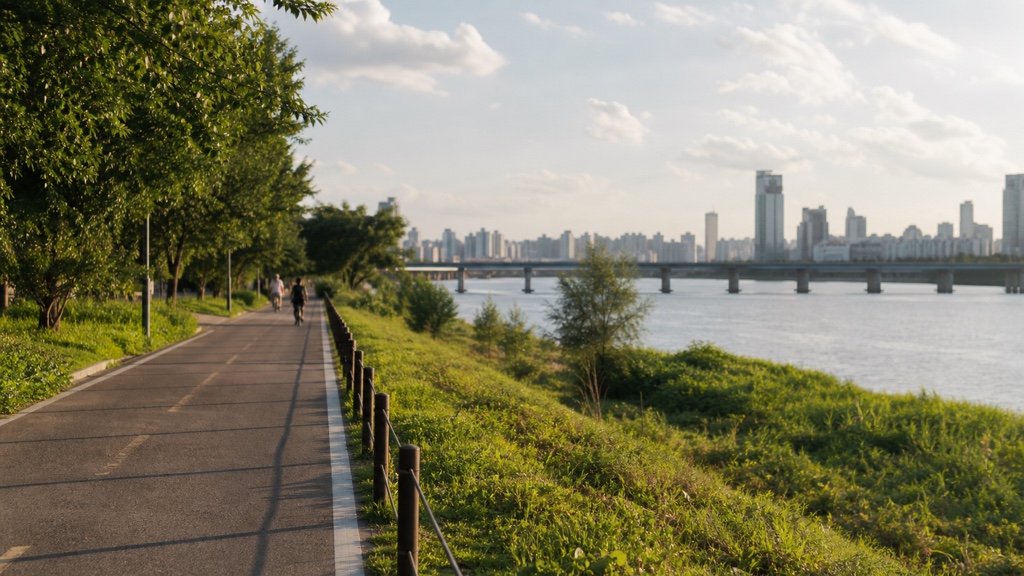
Seasonally, spring and fall bring the heaviest foot traffic, partly because Ddukseom Han River Park sits right at Seongsu’s edge and draws people for picnics and river views on top of the cafe-and-shopping crowd. Summer afternoons can be uncomfortably hot for the amount of walking this neighborhood requires — pace yourself and duck into air-conditioned spaces between stops.
Tips for First-Time Visitors
Pace your route geographically, not by hype. Seongsu’s most-talked-about spots aren’t clustered in one tight block — they’re spread across a roughly 1.5-kilometer stretch. Pick a direction (toward Seongsu-il-ro, toward Daeseong-ro, or toward Ddukseom) and work through it, rather than crisscrossing based on a list.
Combine it with Ddukseom Han River Park. The park entrance is a short walk from the Seongsu cafe cluster, and it’s one of the more pleasant river-view spots in the city — a good way to break up a few hours of cafe-hopping and shopping with some open space.
Cash and card both matter here. Larger cafes and stores take card without issue. Smaller bakery counters, some pop-up merchandise stands, and a few of the older workshop-adjacent shops are more comfortable with cash. Keeping 20,000–30,000 KRW on hand avoids friction.
English signage is inconsistent. Unlike Myeongdong, Seongsu wasn’t built for international tourists — it grew organically out of a local creative and retail scene. Most younger staff at cafes and concept stores can manage basic English, but don’t expect the bilingual signage you’d see in more tourist-dense neighborhoods.
If you’re combining Seongsu with another neighborhood in one day, Konkuk University area (Line 2, two stops east) and Wangsimni (one stop, with easy transfers) are the most geographically logical pairings — both are short hops without backtracking across the city.
FAQ
Is Seongsu worth visiting if I only have a few days in Seoul? If cafes, design-forward retail, or current Korean pop-up culture interest you, yes — it’s a genuinely different experience from the historic palaces or the tourist-facing shopping streets. If your time is limited and those things aren’t a priority, neighborhoods like Myeongdong or Bukchon will likely give you a more efficient first-time experience.
How long should I plan for a Seongsu visit? Two to three hours covers a focused loop — one or two cafes, a wander through the pop-up zone, and a stop at a concept store. A half-day (4–5 hours) lets you add Ddukseom Han River Park and a slower pace without feeling rushed.
Are the famous Seongsu cafes worth the wait? Some are, some are mainly about the space and the photo opportunity rather than the coffee or food itself. That’s exactly the kind of place-by-place judgment call that deserves its own dedicated write-up rather than a blanket yes or no here — which is the Seongsu cafes guide I’m working on next.
Is Seongsu safe to walk around at night? Yes. Like most of central Seoul, Seongsu is well-lit and has steady foot traffic into the evening, especially around the cafe and pop-up cluster. The factory-district side streets are quieter after dark, which is normal for a working industrial area rather than a safety concern.
Do I need to reserve anything in advance? Not for the neighborhood itself. Some specific pop-ups — particularly beauty and fashion brand launches — use online reservation slots for entry, so check the brand’s official page if there’s a specific one you want to see. Cafes and concept stores are walk-in.
What’s the best subway exit for Seongsu? Exit 3 of Seongsu Station for the main cafe-and-pop-up cluster around Seongsu-il-ro; Exit 4 if you’re heading toward the Daeseong-ro / Yeonmujang flagship pop-up area.