Hi, I’m Bo, the local voice behind Seoul With Me, and I want to open this one with a caution rather than a hook: the DMZ is one of the most affecting half-days you can take near Seoul, but it’s also the trip that comes with the most rules and, frankly, the most confusion. Before you book anything, you need to know that you cannot go on your own, that your passport decides whether you get in at all, and that the single most famous part of a DMZ trip — the blue buildings at Panmunjom you’ve seen in photos — may not be part of what you’re actually buying in 2026. So this guide is built around requirements and clarity, not scenery.
I’ll be straight about my angle here. I drive around Seoul, I’ve lived in Gangnam my whole adult life, and the DMZ is not somewhere I visit on a normal week — nobody does; it isn’t a place you casually drop by. But it’s one of the two or three day trips every visitor asks me about, so I sat down and researched exactly how access works right now instead of repeating what a tour was like years ago. That distinction matters more here than anywhere else I write about, because the rules at the border change with the security situation, sometimes on short notice. Treat every number and status below as a starting point to confirm, not a guarantee.
What the DMZ actually is, for someone visiting
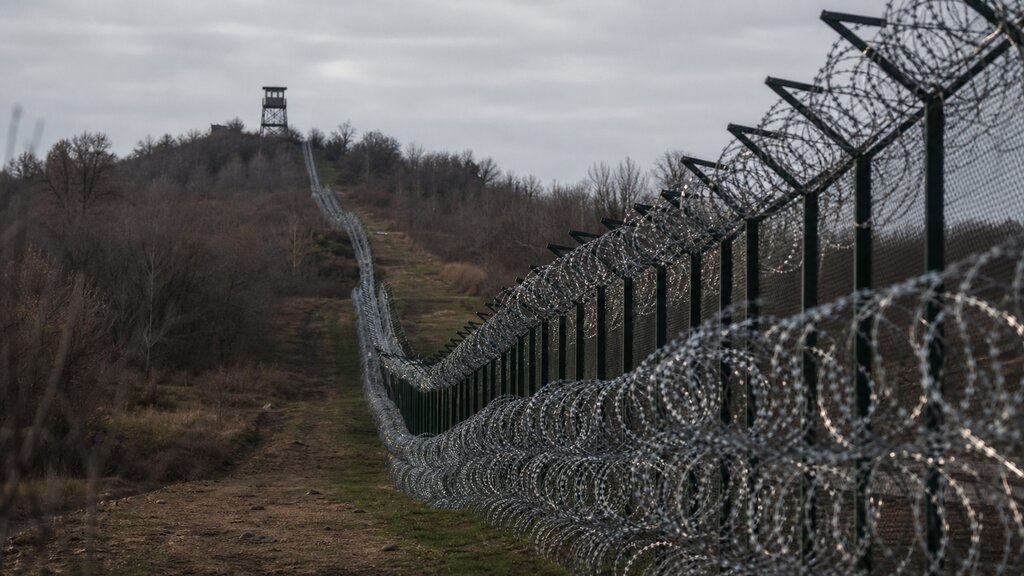
The DMZ is a buffer strip, not a battlefield or a museum. It runs roughly 250 kilometers across the peninsula and about two kilometers deep on each side of the military demarcation line, and it exists to keep two armies apart. That’s the first thing to reset in your head: you are not going to walk up to a wall and peer over it. What tours actually take you to is a set of designated, controlled sites near the southern edge of that zone — observatories, a captured tunnel, a peace park, a symbolic station — each of which sits inside or beside a military-controlled area.
Which is exactly why you can’t drive there yourself. The approach roads pass through checkpoints, and civilian access to these sites is permitted only on an approved, guided itinerary with soldiers checking identification along the way. This isn’t a bureaucratic formality that a confident traveler can talk their way around; it’s an active military zone, and the access rules are the whole reason organized tours exist in the first place. Understand that going in, and the rest of the planning makes sense.
DMZ tour vs JSA tour: the difference that trips people up
Here’s the distinction that causes more booking mistakes than anything else, so read it carefully before you pay for anything. There are two different products, and their names get used loosely.
A standard DMZ tour is the common one. It stays on the South Korean side of the buffer zone and visits a fixed rotation of sites: Imjingak Park with the Freedom Bridge, the Third Infiltration Tunnel, the Dora Observatory, and Dorasan Station. Prices run roughly 55,000 to 95,000 KRW depending on whether it’s a half-day or a full-day version, with the longer trips adding stops and usually lunch. These run about six days a week — typically closed Mondays and major holidays — and the minimum age is often around 7 and up, though it varies by operator.
A JSA tour, sometimes sold as a Panmunjom tour, is the other product, and it’s the one people picture when they imagine “seeing North Korea.” The JSA — Joint Security Area — is the spot where the two sides historically stood face to face. It costs more, roughly 150,000 to 195,000 KRW, usually excludes children under about seven, and needs to be booked further ahead.
Now the part you absolutely need to hear before spending that money. The JSA has been suspended on and off since 2023. The Visitor Center partially reopened in the summer of 2025, but the iconic blue conference buildings and Freedom House — the images the whole trip is built around — have stayed closed to tourists since the July 2023 incident. Because of that, a number of tours still advertised as “JSA tours” now substitute an indoor JSA Experience or a museum-style exhibit instead of taking you to the actual Panmunjom border post. In other words, you can pay the higher JSA price and never stand where the photos were taken.
So if the blue buildings are the entire reason you’re going, do not assume. Ask the operator point-blank, before you pay, exactly what their tour includes — whether you physically reach the Panmunjom border post or an indoor substitute — and accept that on any given date it may not be available at all. This is the one place in Seoul travel where I’d tell you to verify status twice: with your operator, and by cross-checking current DMZ visitor information on VisitKorea. Access here can close between the day you book and the day you travel.
The non-negotiables: passport, booking, closed days
Your passport is the rule that turns people away at the gate, so I’m putting it first. You must carry your actual passport — the physical booklet, not a photo, not a photocopy, not a residence card. Soldiers check identification at entry, and if what you hand over isn’t your real passport, you don’t get in, and the tour leaves without you. There’s no negotiating this on the roadside. Put it in your bag the night before.
The other fixed points, briefly:
- Guided tour only. Independent access isn’t an option; if a listing implies you can self-drive to these sites, it’s wrong.
- Book ahead. Standard tours fill up, so aim for about a week in advance; JSA-type tours need two weeks or more, partly because of the extra clearance and partly because seats are limited.
- Closed days. Most standard tours don’t run on Mondays or major holidays, so build your day trip around the rest of the week.
- Age limits. Standard tours often start around age 7; JSA-type tours generally exclude younger children. Confirm the exact cutoff with the operator if you’re traveling with kids.
- Arrive early and on time. Tours leave central Seoul in the early morning and they do not wait. Dress is generally casual, but some JSA tours have historically enforced a dress code, so check that too if you’re booked on one.
What you’ll actually see on a standard tour
A standard DMZ tour is four stops with very different moods, and it helps to know which ones land emotionally and which are more about symbolism.
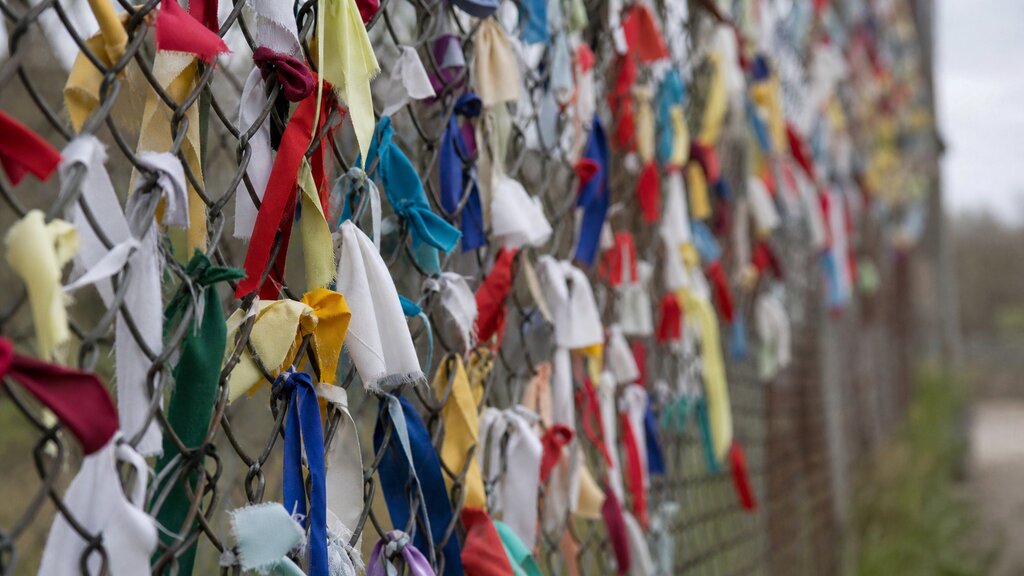
Imjingak Park is usually the first and, for many people, the most moving. It sits about seven kilometers from the border as a peace park, with the Freedom Bridge and memorials for the families separated when the country was divided. The wire fence here is covered in ribbons and handwritten messages left by relatives who were cut off from parents, siblings, and children they may never have seen again. It’s quiet, and it’s the emotional center of the whole day. You can visit this part without the deeper security clearance, which is why some shorter itineraries center on it.
The Third Infiltration Tunnel is where I owe you an honest warning. It’s one of several tunnels dug from the North toward Seoul, this one discovered in 1978, and on the tour you walk down into a section of it. Two things to know: no photos are allowed inside, and the descent is steep and narrow, low enough in places that taller visitors stoop. It can feel genuinely claustrophobic, and the walk back up is a real climb. If you have mobility limits, a heart condition, or you dislike tight underground spaces, it’s completely fine to sit this stop out and wait above — several people on any given tour do.
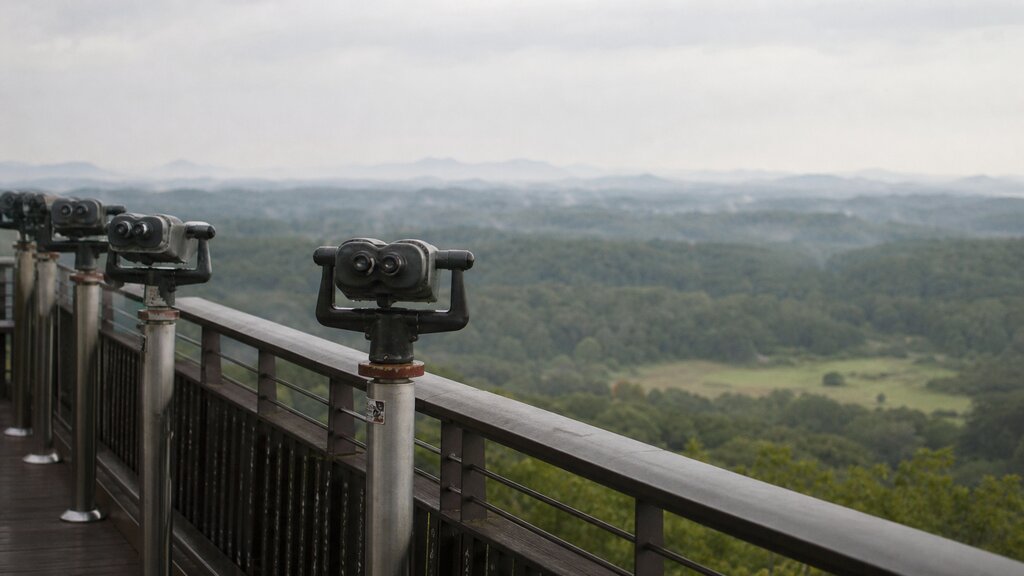
The Dora Observatory is the “looking across” moment. It’s a hilltop platform with mounted viewing binoculars where, on a clear day, you can look out over the zone toward North Korean territory and the villages on the far side. Weather is the variable nobody controls: on a hazy or foggy morning, the distant view flattens into grey, so temper your expectations if the sky isn’t cooperating.
Dorasan Station closes most tours on a quieter, stranger note. It’s a modern, largely unused railway station built facing the North as a symbol of a connection people still hope for — clean platforms, signage pointing toward a line that doesn’t currently carry passengers across. It photographs as almost eerily empty, and that emptiness is the point.
Choosing a tour you won’t regret
Start with one decision: half-day or full-day. A half-day tour covers the core sites — Imjingak, the tunnel, the observatory, the station — and gets you back to Seoul by early afternoon. A full-day adds more stops and usually lunch, and makes sense if you’d rather not backtrack out this direction twice. For most first-time visitors, the half-day covers what matters.
Beyond that, a few things are worth verifying before you hand over any money:
- Confirm the English-guide. Reputable tours run in English, but check that the departure you’re booking specifically does, rather than assuming.
- Pin down the JSA specifics. If you booked anything labeled JSA or Panmunjom, ask in writing what’s actually included given the 2025–2026 closures, per the section above. This is the question that prevents disappointment.
- Check the pickup point and time. Departures cluster in central Seoul in the early morning; know exactly where and when, because these tours leave without latecomers.
- Know what the price covers. Ask whether admission to each site, transport, and lunch are bundled or extra.
On where to book: use a reputable operator or a major, established booking platform rather than the cheapest listing you can find, because at the DMZ the operator’s clearance and reliability genuinely matter. I’m deliberately not naming or linking commercial tour companies here — that’s for you to compare — but do read recent reviews and confirm the itinerary in writing. And once more, because it’s the thing that ruins trips: reconfirm current access status close to your date, since the border can close at short notice regardless of what you booked.
How I’d fit it into a Seoul trip
Slot the DMZ in as a morning, not an afternoon. Because tours leave central Seoul early and a half-day version returns you to the city by early afternoon, it pairs naturally with a relaxed afternoon back in town — a neighborhood walk, a museum, or shopping. If you’re mapping this into a longer stay, it fits cleanly as the out-of-town morning in a 3-day Seoul itinerary, the way another out-and-back day sits alongside city days.
One judgment I’ll offer, though: the DMZ is emotionally heavier than most day trips. Imjingak and the tunnel stay with people in a way that, say, a river-island stroll doesn’t. If your other option that week is the calmer Nami Island day trip, I wouldn’t stack both on the same day, and I wouldn’t pair the DMZ with something else demanding in the afternoon. Give the morning room to land. On budgeting, note that a DMZ tour is a bigger single line item than most Seoul activities, and some site fees or lunch may be paid separately — worth folding into your planning alongside the Seoul money guide if you’re keeping a daily total.
A local’s honest close
The DMZ isn’t a sight you tick off; it’s a few hours near a border that shaped the country I live in, and it tends to leave visitors quieter on the bus back than they were on the way out. Go with your passport in hand, a tour booked with a reputable operator, and realistic expectations about the JSA — and confirm current access before you travel, because that’s the one detail that changes. If this is going into a larger plan, the first-time-in-Seoul hub ties the day trips into the rest of your days.
— Bo
FAQ
Can you visit the DMZ without a tour? No. Access to the DMZ sites is guided-tour-only, through checkpoints where soldiers check identification. There’s no independent or self-drive option, so you book an approved tour from Seoul.
Do I need my passport for a DMZ tour? Yes, your physical passport is mandatory. Soldiers verify identification at entry, and a copy or a residence card won’t be accepted — without your actual passport you’ll be turned away and the tour leaves without you.
Is the JSA / Panmunjom open in 2026? Only partially, and not the famous part. The JSA Visitor Center reopened in 2025, but the blue conference buildings and Freedom House have stayed closed to tourists since July 2023, so many “JSA tours” now use an indoor substitute. Confirm exactly what’s included with your operator, and know access can be suspended at short notice.
How much does a DMZ tour from Seoul cost? A standard half- or full-day DMZ tour runs roughly 55,000 to 95,000 KRW. A JSA-type tour costs more, about 150,000 to 195,000 KRW, and needs booking further ahead. Some site fees or lunch may be separate, so check what each price covers.